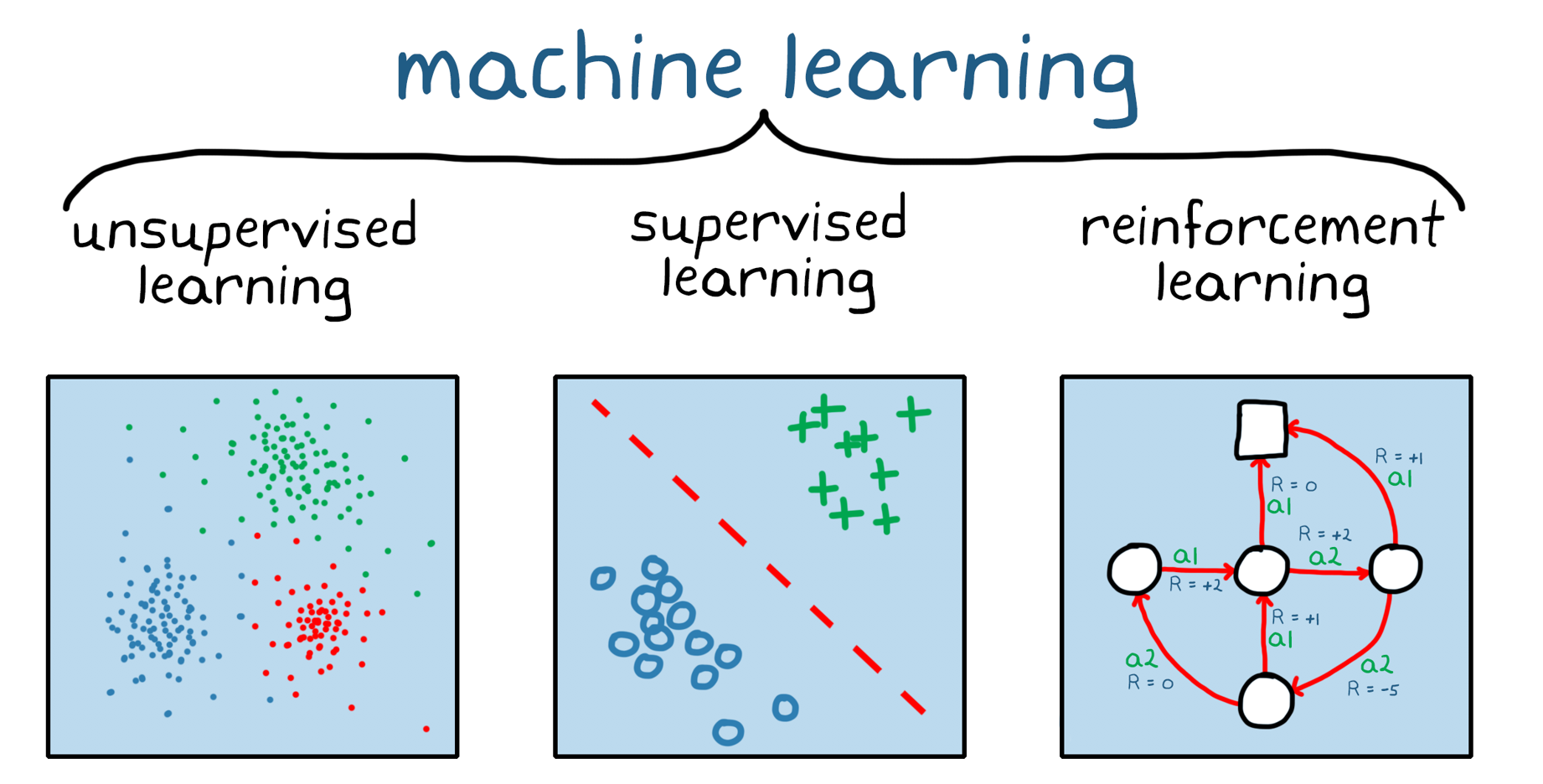
- Learning from a training set of labeled examples
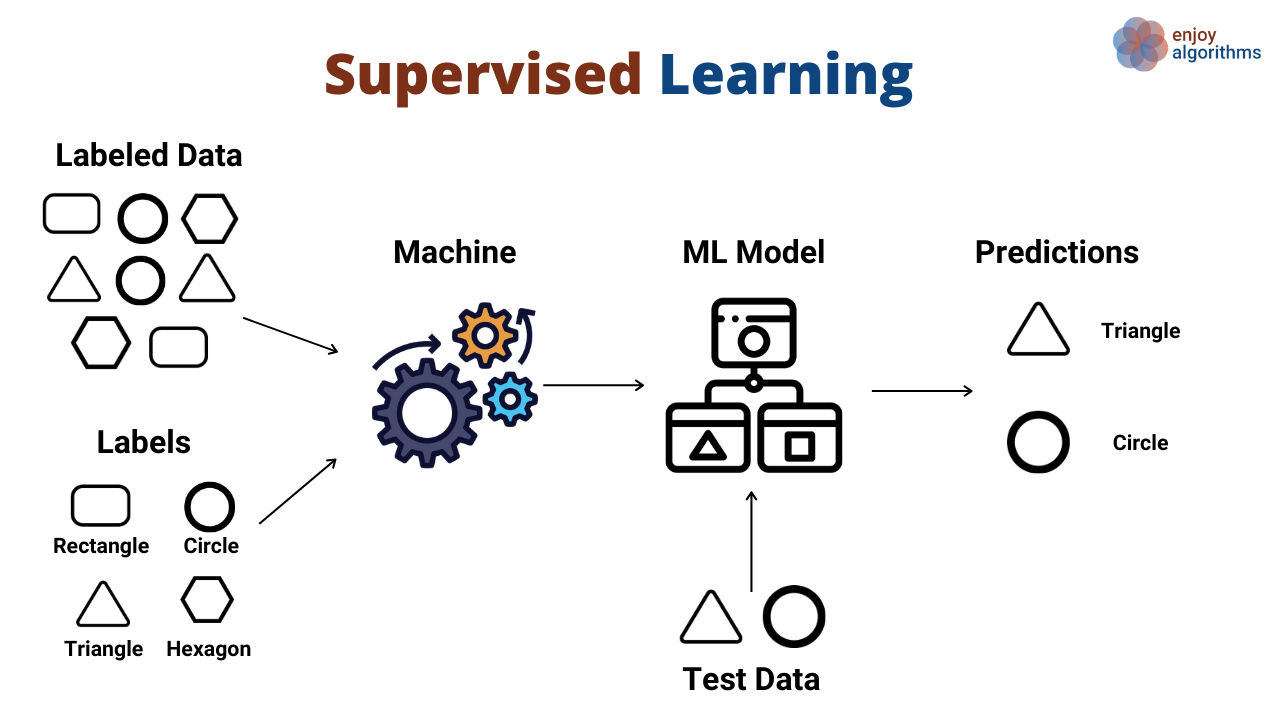
- Not adequate for learning from interaction
- No targets provided
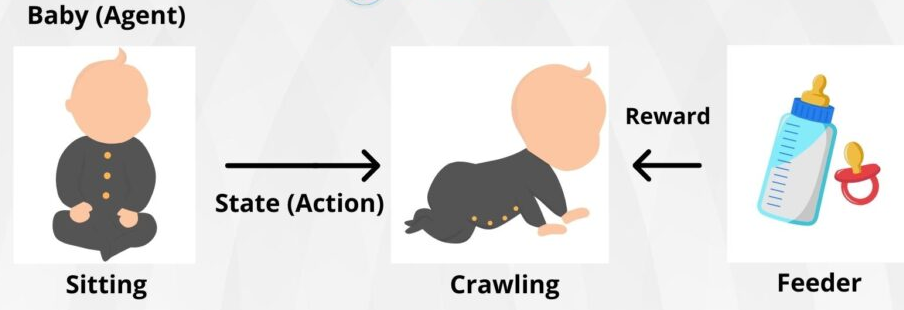
- An agent learns from its own experience,
interacting with its environment to achieve a goal-
Rewarded when doing something right
Punished when doing something wrong
Like how an animal or a baby learns

- model is provided unlabeled data
- goal: to discover hidden patterns
- no correct answer is provided
- Examples:
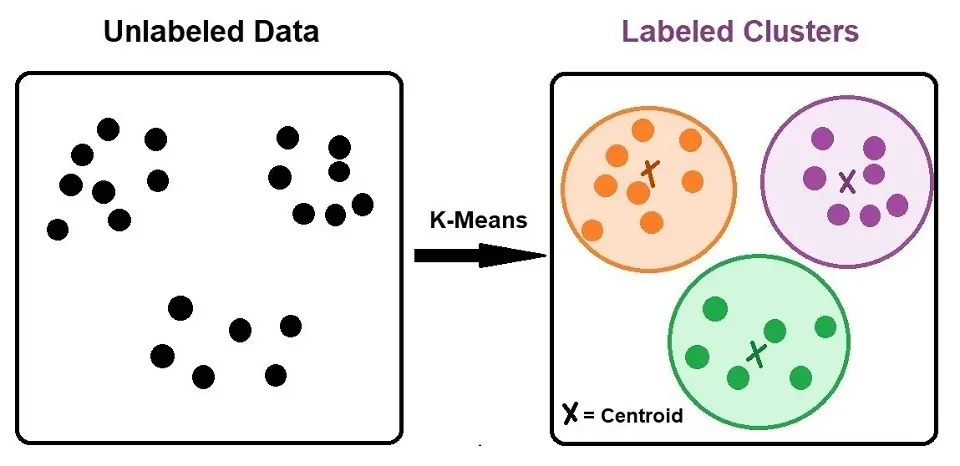
- Clustering
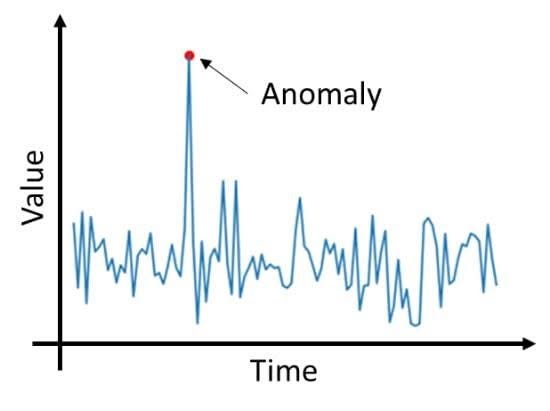
- Anomaly Detection
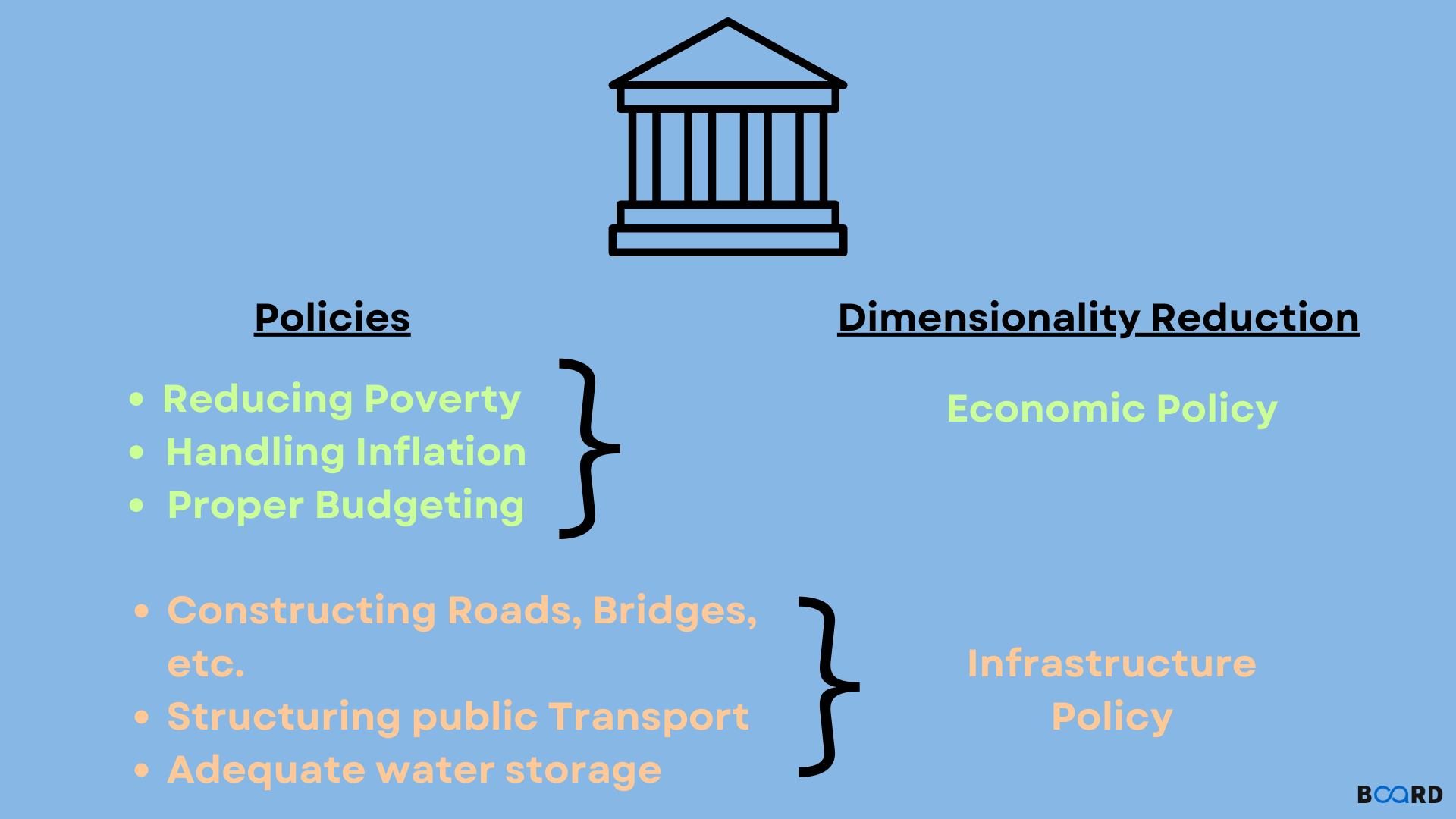
- Dimensionality Reduction
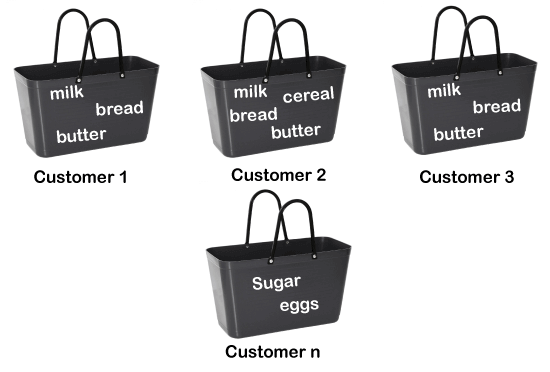
- Association Rule Mining
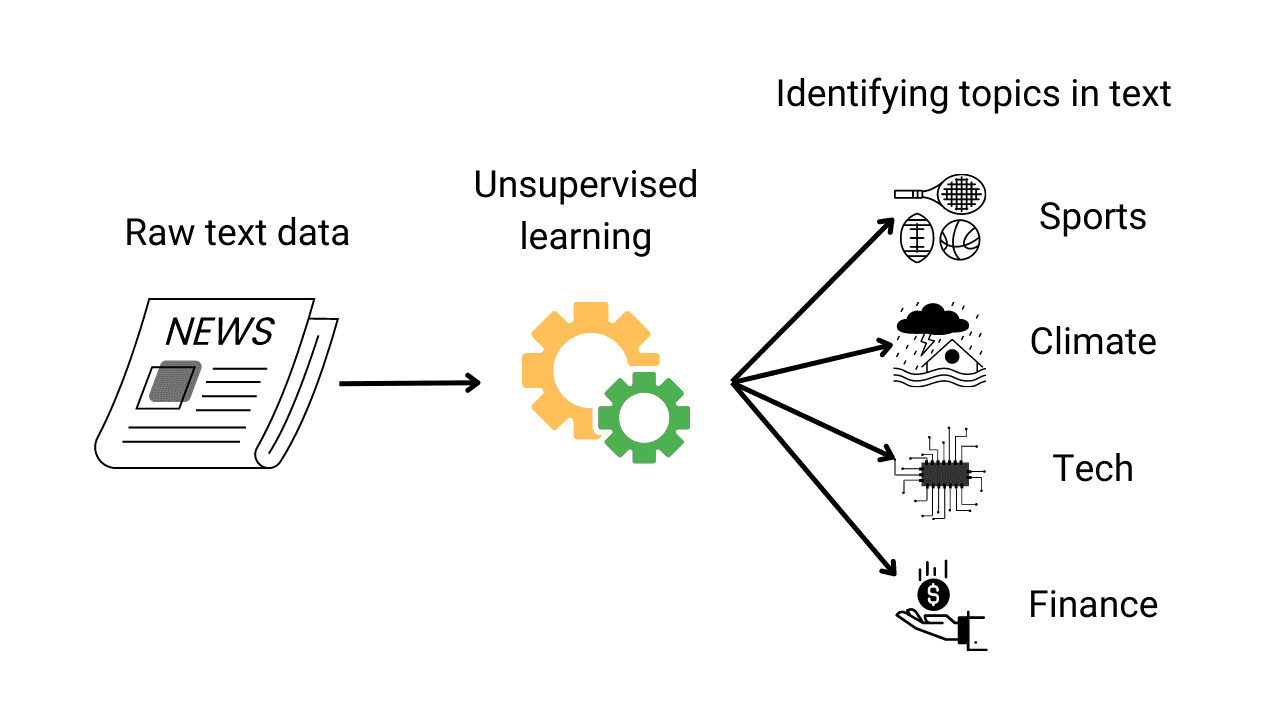
- Topic Modeling
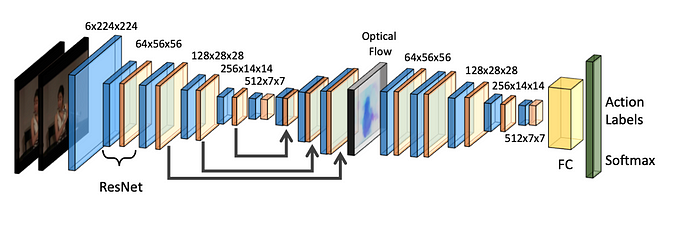
- Image and Video Analysis
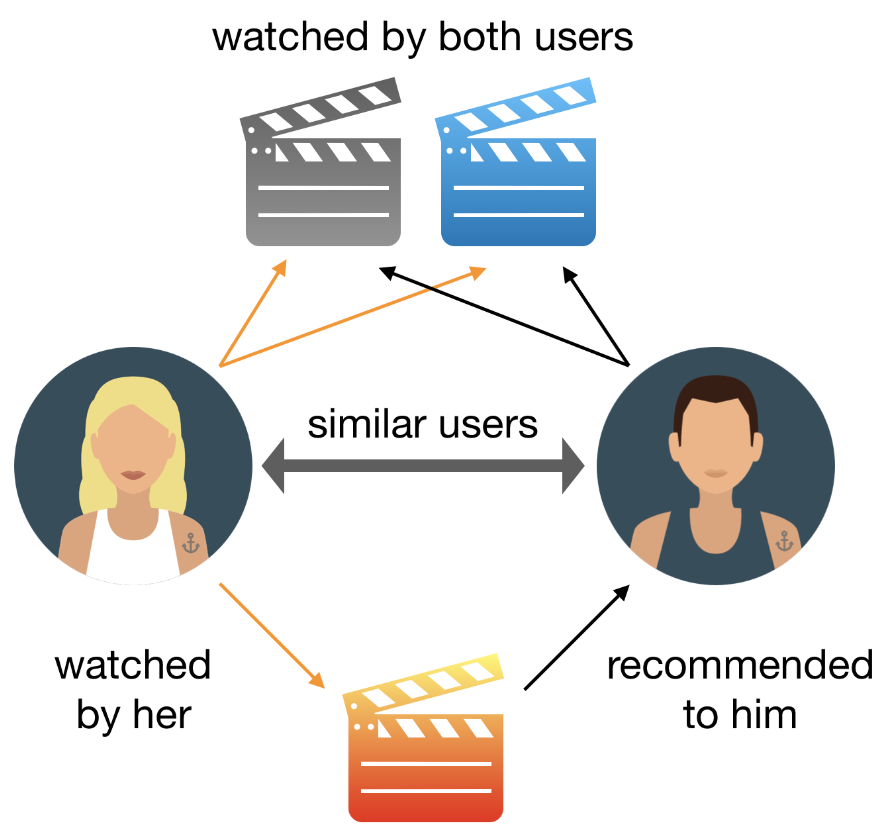
- Recommendation Systems:
- Medical Diagnosis:

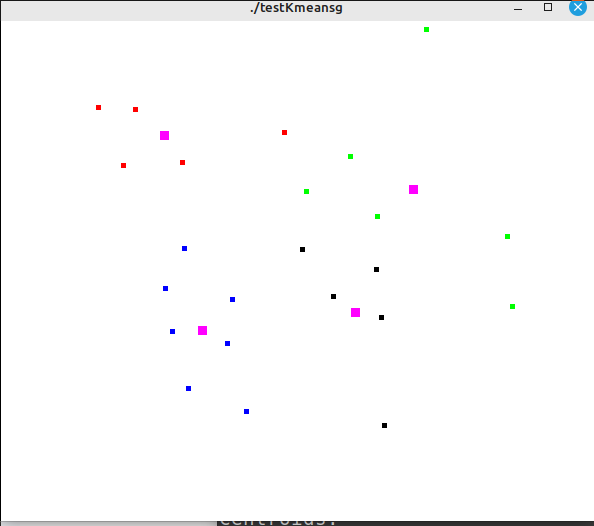
- Clustering
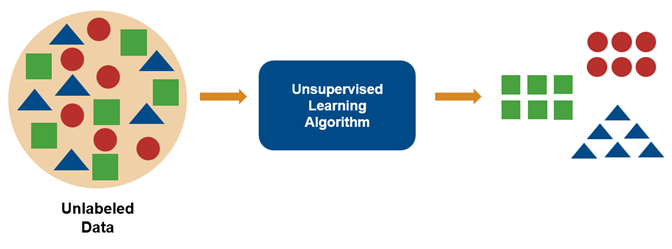
Example: K-means Clustering
  Groups data points into clusters based on their similarity.

  Suppose we have customer data with features such as:

      Age, Income, Shopping frequency

  K-Means Clustering can group these customers into, say, 3 clusters:

       Cluster 1: Young and budget-conscious

       Cluster 2: Middle-aged professionals

       Cluster 3: High-income frequent shoppers
- Randomly pick K central points (centroids or means)
- Each data point is assigned to the closest centroid, thus
obtain K clusters

- Update the centroids by finding the average position of each cluster
- Iterate the process for a number of times until the clusters become stable
A C/C++ Implementation of K-means
// kmeans.h
#ifndef __KMEANS__
#define __KMEANS__
#include <iostream>
#include <vector>
#include <cmath>
#include <cstdlib>
#include <ctime>
#include <limits>

using namespace std;

struct Point
{
    double x, y;
    int cluster;
};

void kmeans(vector<Point>& points, vector<Point>& centroids, int iterations);

#endif
|
// kmeans.cpp
// k-means clustering functions
// https://forejune.co/cuda/

#include "kmeans.h"

// distance from a point p to a centroid c
double distance(const Point& p, const Point& c)
{
    return sqrt((p.x - c.x)*(p.x - c.x) + (p.y - c.y)*(p.y - c.y));
}

// Clustering 2D points stored in vector points and returns the centroids
// in vector centroids
void kmeans(vector< Point>& points, vector< Point>& centroids, int iterations)
{
    int n = points.size();
    int k = centroids.size();
    for (int it = 0; it < iterations; it++) {
        // Assign points to nearest centroid
       for (int j = 0; j < n; j++ ){
           double minDist = 9999;
           int bestCluster = 0;

           for (int c = 0; c < k; c++) {
                double d = distance(points[j], centroids[c]);
                if (d < minDist) {
                    minDist = d;
                    bestCluster = c;
                }
            }

            points[j].cluster = bestCluster;
       }

       // Recompute centroids
       int counts[k] = {0};
       Point newCentroids[k] = {(0, 0, 0)};
       for (int j = 0; j < n; j++){
            int cl = points[j].cluster;
            newCentroids[cl].x += points[j].x;
            newCentroids[cl].y += points[j].y;
            counts[cl]++;
        }

        for (int c = 0; c < k; c++) {
            if (counts[c] != 0) {
                centroids[c].x = newCentroids[c].x / counts[c];
                centroids[c].y = newCentroids[c].y / counts[c];
            }
         } // for c
    } // for it
}
|
Testing K-means routine
// testKmeans.cpp
// routine to test the k-means function
// https://forejune.co/cuda/

#include "kmeans.h"

int main()
{
    srand(time(0));

    //Some random 2D points
    vector< Point> points = {
        {10, 20}, {15, 18}, {50, 40},
        {40, 40}, {30, 60}, {45, 55},
        {18, 20}, {10, 20}, {50, 30}
    };

    int k = 3;            // Number of clusters
    int iterations = 20;  // Number of K-means iterations

    vector< Point> centroids(k);
    int c[k];
    // Randomly initialize centroids from points
    for (int i = 0; i < k; i++) {
      c[i] = rand() % points.size();
      centroids[i] = {points[c[i]].x, points[c[i]].y};
    }

    kmeans(points, centroids, iterations);
    //output results
    for (int j = 0; j < points.size(); j++ ) {
        cout << "Point (" << points[j].x << ", " << points[j].y
                  << ") : Cluster " << points[j].cluster << endl;
    }

    return 0;
}
|
Sample Outputs: